Coffee origin
Indian specialty coffee from Chikkamagaluru
India is famous for tea, but its coffee has a long history too, and much of the best of it is grown in the hills of Chikkamagaluru in Karnataka. Our family has grown coffee there for three generations. This guide explains where Indian coffee comes from, how it's grown, and what to look for in Indian specialty coffee.
By the Kenjige family ·
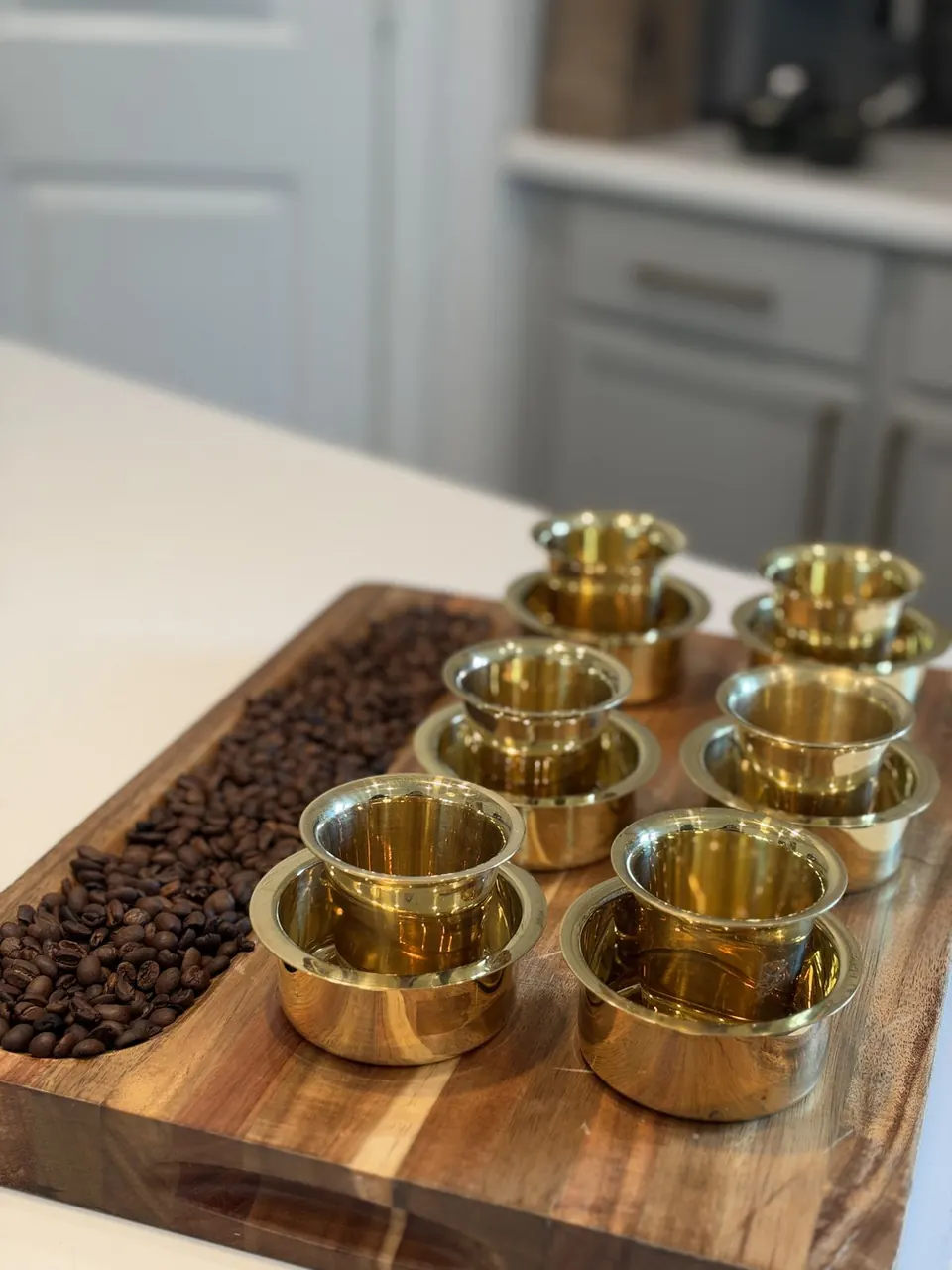
Where Indian coffee is grown
Most of India's coffee comes from the Western Ghats in the south. Karnataka grows roughly 70% of it, and Chikkamagaluru district, alongside Kodagu (Coorg) and Hassan, is one of the state's main coffee regions. Chikkamagaluru is the official spelling; you'll also see the older spelling, Chikmagalur.
Where coffee in India began
Local legend says coffee came to India through the hills of Chikkamagaluru. In the 1600s, the Sufi saint Baba Budan is said to have carried seven coffee seeds home from Yemen and planted them in the hills that now bear his name, the Baba Budan Hills. Our family's farms are near these hills.
How it's grown
- Shade-grown: Indian coffee is largely grown under a two-tier canopy of shade trees, such as silver oak beneath taller native trees. Coffee grown in the shade ripens slowly and builds more flavor.
- Grown alongside spices: farms commonly intercrop pepper, cardamom and fruit trees among the coffee.
- Hand-picked: for specialty coffee, pickers return to the same plants again and again, collecting only ripe cherries.
- Hand-sorted: beans are sorted by size, color and quality to remove defects.
What makes coffee specialty
Specialty coffee is judged on quality. It scores 80 or more out of 100 when tasted by trained cuppers on the Specialty Coffee Association scale, and it comes from selected farms in a single region, with full traceability. Everyday coffee, by comparison, is often blended from many farms and countries and roasted very dark to hide flaws. Everyday vs specialty coffee
Choosing an Indian specialty coffee
- For cappuccinos and pour-over: Estate Cappuccino, a single-estate Arabica, medium roast, with floral, crisp citrus and fresh berry notes.
- For South Indian filter coffee: Granny's Filter Coffee, premium-roasted specialty coffee blended with chicory, with dark cocoa, roasted hazelnut and caramel notes.
- For espresso and moka pot: Baba Budan Espresso, an ultra-premium, dark-roast single-origin coffee of honey sun-dried specialty beans, with dark chocolate, citrus and roasted nut notes.
See the full cupping notes for each coffee. Cupping & sensory profiles
Buying Indian specialty coffee in the USA
Kenjige Farms brings specialty coffee from our family's farms and our extended family's farms in Chikkamagaluru to the United States. We ship anywhere in the US in 1 lb bags, and in Dallas–Fort Worth you can also pick up in Frisco or get local delivery. Pickup and delivery in DFW
From our farms
Try our coffees.
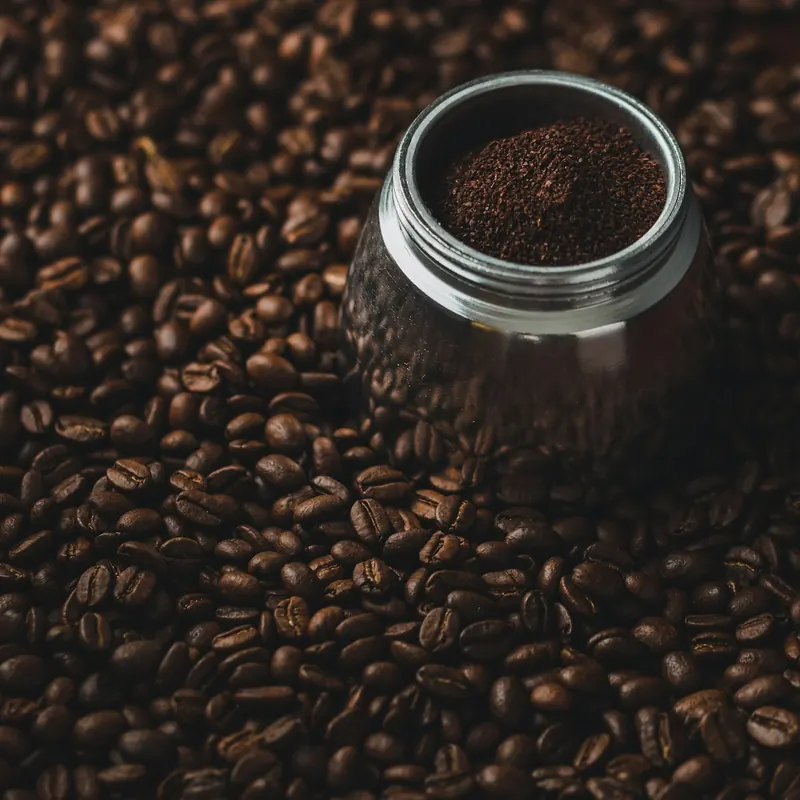
Single-estate Arabica
Estate Cappuccino
Floral, crisp citrus, fresh berries.
Medium roast · 1 lb bag
$27
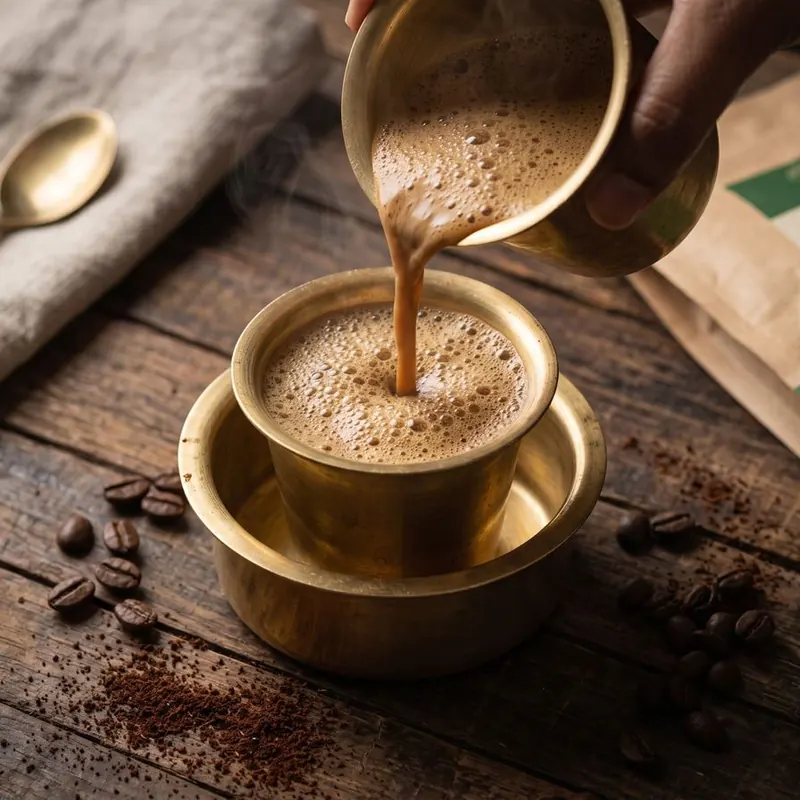
South Indian filter coffee
Granny's Filter Coffee
Dark cocoa, roasted hazelnut, caramel, chicory.
Heritage roast · 1 lb bag
$23
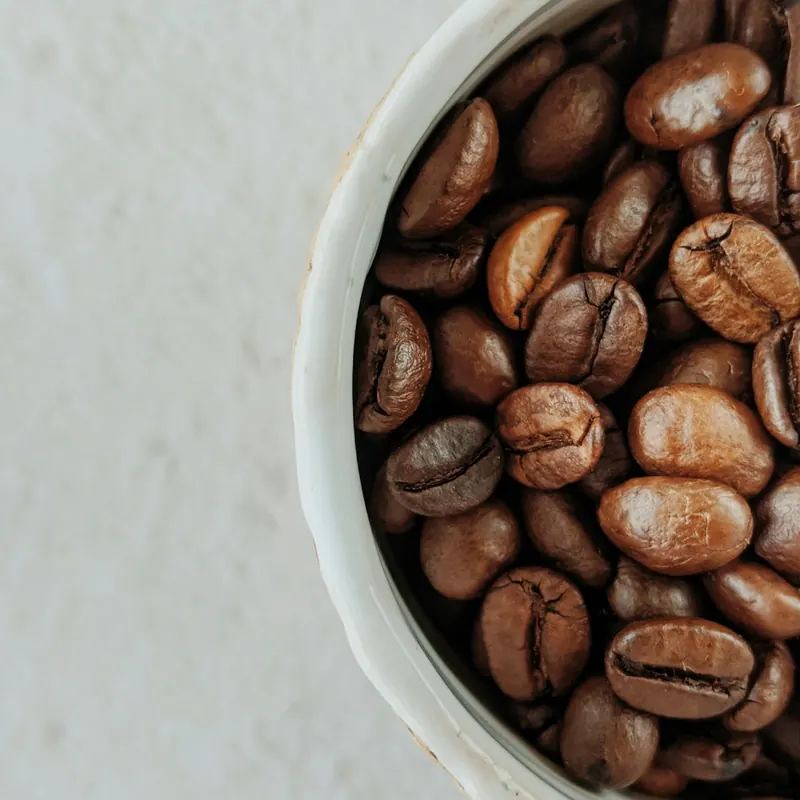
Ultra-premium single-origin espresso
Baba Budan Espresso
Dark chocolate, citrus, roasted nuts.
Dark roast · 1 lb bag
$28
Good to know
Questions, answered.
Is Chikmagalur the same as Chikkamagaluru?
Yes. Chikkamagaluru is the official spelling of the district and town in Karnataka, India; Chikmagalur is the older, common spelling. Both refer to the same coffee-growing region near the Baba Budan Hills.
Does India grow Arabica or Robusta coffee?
Both. Our Estate Cappuccino is a single-estate Arabica from Chikkamagaluru.
Why is Indian coffee shade-grown?
Most Indian coffee grows under a canopy of shade trees. The shade slows ripening, which builds more flavor, and the same farms often grow pepper, cardamom and fruit trees among the coffee.
Where can I buy Indian specialty coffee in the USA?
Kenjige Farms ships specialty coffee from its family farms in Chikkamagaluru anywhere in the United States, with pickup in Frisco and local delivery throughout Dallas–Fort Worth.